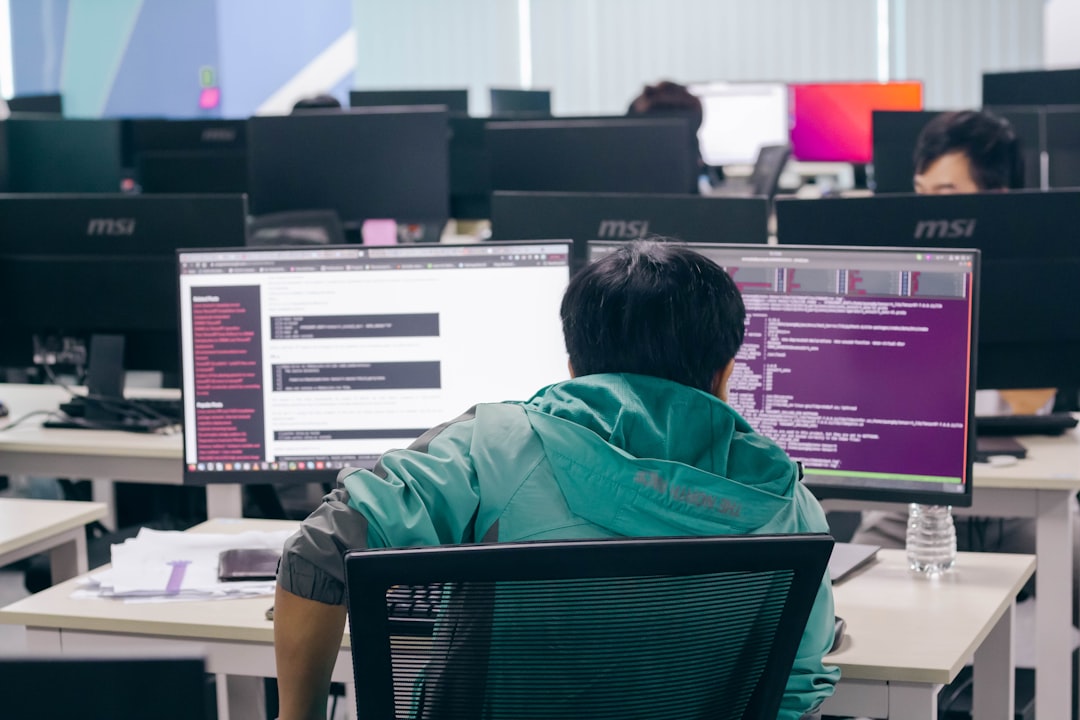
Small teams don't need giant processes. They need rituals: repeatable, light, and emotionally stabilizing. A good launch ritual is a promise to the team that shipping won't be chaotic.
Here's a ritual set that works with six people or fewer.
1) The Monday intent note
Every launch starts with a two-paragraph note on Monday:
- What is shipping this week?
- Why does it matter?
This is not a plan. It is a signal. It tells the team what matters and what can wait.
2) The midweek release draft
By Wednesday, start a release draft. Collect PRs, issues, and highlights. It should be 70% done before anyone touches the deploy button. The draft becomes the backbone for every update you'll send later.
3) The "quiet hours" rule
Pick a two-hour window for the release and protect it. No meetings, no interruptions. The team knows that window is sacred.
4) A single release brief
Replace meetings with a short brief. It includes:
- Highlights
- Risks and mitigations
- Metrics to watch
- Rollback plan
If the brief doesn't exist, the release doesn't happen.
5) The afterparty log
After the release, leave a short log: what was observed, what surprised you, what needs follow-up. This takes 10 minutes and saves hours later.
6) The gratitude loop
End with a small thank-you ritual. A shout-out in Slack. A five-minute reflection. It sounds soft, but it keeps teams healthy.
A one-page launch doc (for the messy weeks)
Some weeks are volatile. Use a one-page doc as a stabilizer:
- Scope: two sentences on what is shipping and why.
- Dependencies: anything that could delay or block the launch.
- Rollout: time window, flags, cohorts.
- Signals: top three dashboards to watch.
- Fallback: rollback switch and owner.
It keeps everyone oriented when the week gets noisy.
Why rituals are powerful for small teams
Rituals reduce cognitive load. You don't have to reinvent the process each launch, which means you can focus on the product instead of the ceremony.
ReleaseMind helps by generating the drafts and briefs automatically, so your ritual feels deliberate without adding overhead.