The release is out. The adrenaline drops. This is the exact moment teams either capture the win or inherit the next incident. The afterparty checklist is how we turn that fragile hour into a calm week.
This is not a list of "make sure the site is up." It is a ritual that protects focus, protects sleep, and quietly compounds reliability.
The afterparty is a timeline, not a task
Think in windows, not checkboxes. Every release has a short tail; if you instrument the tail, you can ship faster without fear.
T+15 minutes: verify the blast radius
- Confirm the feature flag or cohort targeting is correct.
- Watch the top three user journeys end-to-end.
- Scan error rates, latency, and saturation against a known baseline.
- Keep a short "first impressions" log with timestamps.
T+2 hours: publish the narrative
- Draft the release summary while the context is still warm.
- Record what shipped, why it matters, and what's intentionally deferred.
- Capture any toggles, rollbacks, or mitigations in plain language.
- Share it with support and internal stakeholders first.
T+24 hours: reconcile the signals
- Compare your expected impact to real adoption and behavior.
- Look for secondary effects: queue depth, background worker lag, support volume, or new error clusters.
- Document the surprises. They become next week's guardrails.
T+7 days: close the loop
- Verify that all release action items are either done or scheduled.
- Update templates with what changed (checklists, runbooks, release notes).
- Mark the release as "done" once the system is calm.
What to automate vs. what to keep human
Automation should perform checks and gather evidence. Humans should interpret context and decide whether to proceed.
Automate:
- Health checks and synthetic journeys
- Rollback toggles and deployment gates
- Release note drafts and change summaries
- Slack or email notifications for defined thresholds
Keep human:
- The final "go" to publish
- The narrative in the release notes
- The response when signals are ambiguous
The artifacts that keep teams sane
A release is not real until its artifacts are. Every afterparty should leave behind the same set of receipts:
- A tagged release that points to a specific commit.
- A release note that explains the story, not just the diff.
- A changelog entry that survives long after Slack scrolls away.
- A brief "impact log" of what happened in the first 24 hours.
- A decision trail for any toggles or rollbacks.
If any one of these is missing, the next release inherits confusion.
A lean checklist that works at any size
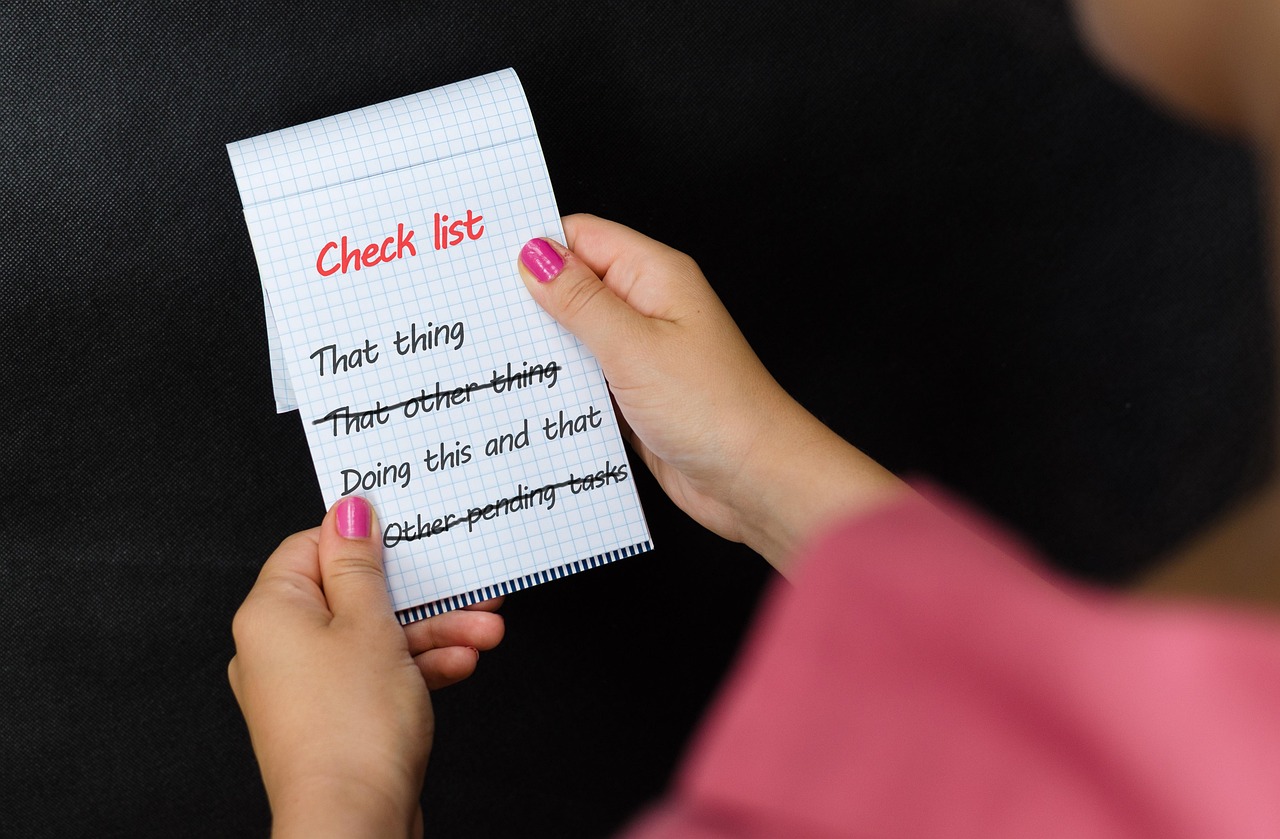
Use this as your default. Add one step only when you've felt the pain twice.
- Feature access is scoped and intentional.
- Rollback switch is tested and available.
- Error budgets and latency baselines are visible.
- Release note draft exists before tag creation.
- Support and ops are notified with summary and links.
- Known risks are written down, not just said aloud.
- A short "afterparty log" exists with time-stamped observations.
- Post-release follow-ups have owners.
Build a small evidence pack
The afterparty is easier when you capture evidence while it is fresh. Aim for five artifacts that fit in a single folder:
- A dashboard snapshot (errors, latency, saturation).
- A rollout record (flags, cohorts, or canary status).
- A support summary (top two questions and the canned reply).
- A release note draft with the "why" in the first paragraph.
- A short decision log of any toggles or rollbacks.
This pack turns vague memory into a narrative you can trust next week.
A 10-minute afterparty log template
Use this when the release is still warm. Keep it short.
**Release:** **Window:**

## **What we saw:**

## **What surprised us:**

## **Decisions made:**

## **Follow-ups:**
How ReleaseMind helps
ReleaseMind turns the afterparty into a habit: it drafts the release narrative, links tags and commits, and publishes to the channels your team already uses. It keeps the evidence tight so the team can sleep.